
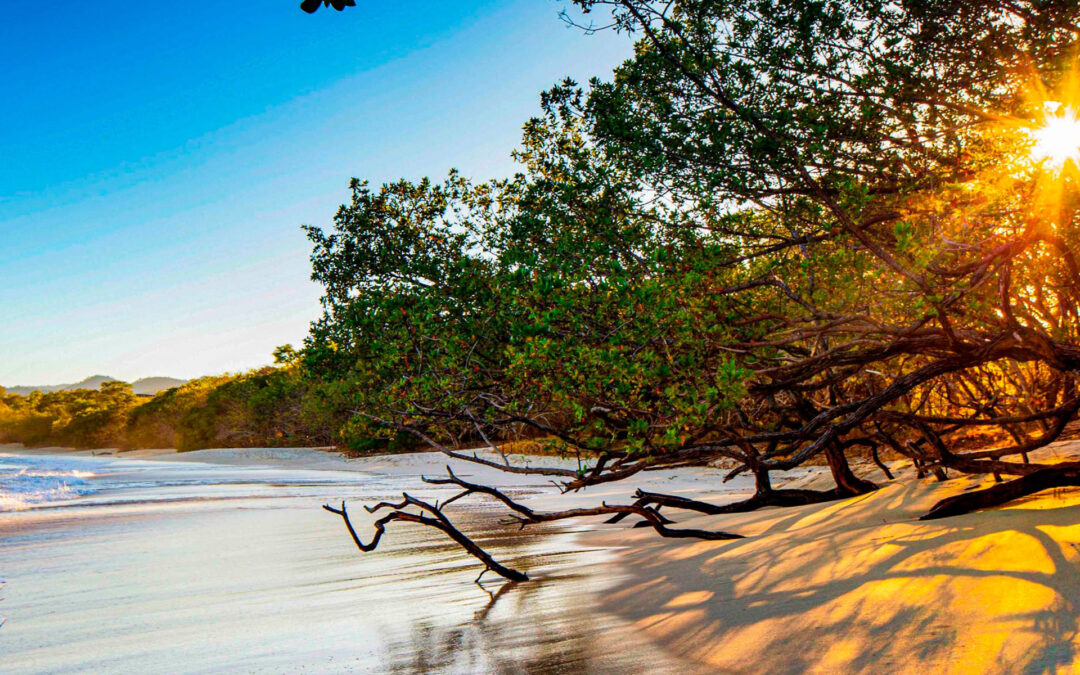
Most visitors to Montezuma spend their days on the main stretch of sand beside town, and for good reason. It is pleasant, easy to reach and close to restaurants. Yet the coastline of the southern Nicoya Peninsula holds many quieter bays, rocky coves and river mouths that reward anyone willing to walk a little further. This guide shares how to find them, what to look for along the way and how to plan nature tours in Montezuma travelers can enjoy at an unhurried pace.
Why the Quieter Beaches Are Worth the Walk
The area around Montezuma sits between rainforest hills and the Pacific Ocean, so beaches here often meet the jungle directly. Trails that lead to secluded sand pass through shaded forest, cross small streams and open onto sudden ocean views. That variety makes outdoor adventure in Montezuma style trips feel different from a typical beach day.
Playa Grande: A Wide Beach Beyond the Waterfall Trail
Playa Grande lies a short distance north of town and is usually reached on foot along the coast or through a trail that begins near the waterfall area. The beach is long and open, with rock formations at either end. Because the trail takes some effort, it tends to stay calmer than the beaches closest to the village.
Playa Cocalito: Tide Pools and Quiet Shade
South of the village, Playa Cocalito offers a smaller and more sheltered setting. Rocks along the shoreline form tide pools at low tide, which makes the area appealing for curious children and anyone who enjoys looking at marine life up close. Almond trees provide natural shade, so it is a comfortable place to rest during the middle of the day.
Cabo Blanco Nature Reserve and Its Remote Shoreline
Cabo Blanco Absolute Nature Reserve, at the southern tip of the peninsula, was Costa Rica’s first protected area, established in 1963. A trail of several miles leads through humid forest to a quiet beach on the Pacific side. The route is a good example of a hiking tour in Montezuma visitors can book with a local guide, and it is best started early in the morning.
The reserve protects a wide range of species. Visitors may encounter monkeys, coatis, sloths and many birds, as well as seabirds along the shore. This is a strong option for wildlife watching, and it fits well into any Costa Rica wildlife experience itinerary. Check the reserve’s current opening days and entrance requirements before you go, because they can change.
Waterfall Hikes Montezuma Travelers Pair with Beach Time
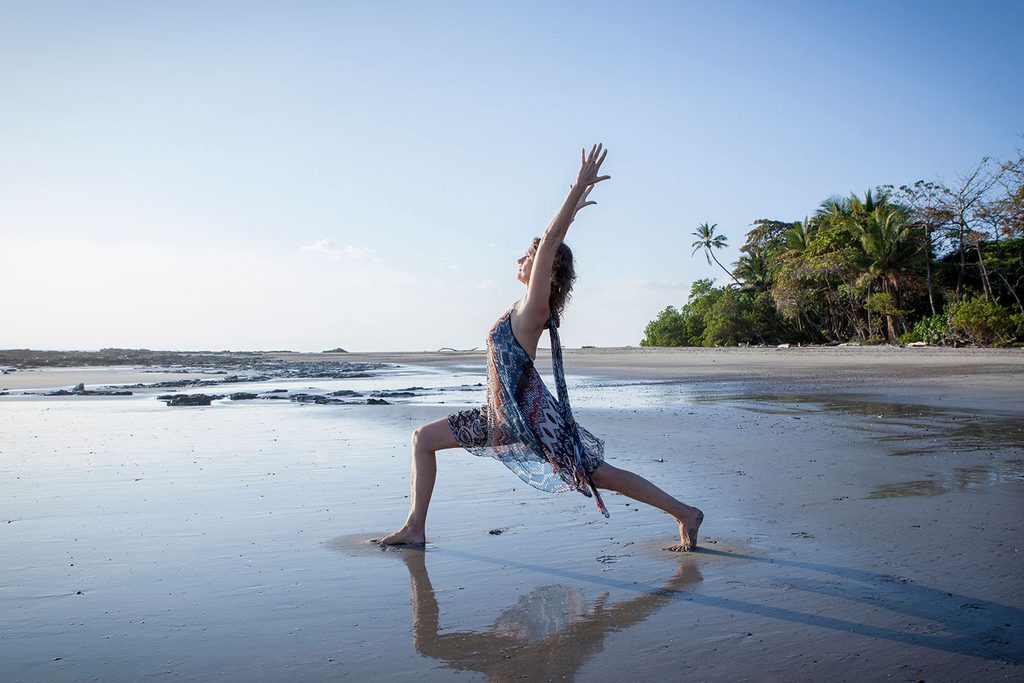
The Montezuma waterfalls sit a short walk inland from town and form a natural companion to a beach visit. The lower falls are reached by an easy trail along the river, while the upper pools take more effort and require careful footing on wet rock. Guides can advise whether conditions are safe, since water levels change after heavy rain.
Many waterfall hikes guests choose end with a swim in a cool freshwater pool, followed by a walk to the coast. Always follow posted warnings and avoid jumping from heights unless a guide confirms it is safe.
Snorkeling Montezuma: Clear Water and Island Reefs
Calm mornings are the best time to look beneath the surface. Snorkeling in Montezuma trips commonly run by boat to Isla Tortuga in the Gulf of Nicoya, where rocky areas and shallow reefs attract schools of colorful fish. Boat trips include beach time on the island, and operators provide gear.
Visibility depends on weather, tides and recent rain, so flexibility helps. Using reef-safe sunscreen and avoiding contact with coral keeps the underwater habitat in good condition for the next group.
Nature Photography Montezuma Offers at Every Turn
The region suits photographers of all levels. Early light on empty sand, tide pools reflecting the sky, forest canopy and wildlife all provide strong subjects. Nature photography enthusiasts in Montezuma often carry a zoom lens for birds and monkeys, a wide lens for coastal scenes and a dry bag to protect gear from spray and humidity.
Practical Tips for Exploring Safely
A few habits make every outing smoother and kinder to the environment:
- Start early: Morning hikes are cooler, and wildlife is more active.
- Check tides: Some rocky sections of the shore are passable only at low tide.
- Carry essentials: Pack water, insect repellent, a hat and a small first aid kit.
- Leave no trace: Carry out all trash and stay on marked trails.
- Hire local guides: Their knowledge supports Montezuma nature watching and keeps Costa Rica adventure activities safer.
Where to Stay for Easy Access to the Coast
Choosing the right base makes it simpler to start early and return to a comfortable place afterward. A boutique Montezuma hotel in the center of town puts the beaches, waterfall trail and tour operators within walking distance. That convenience means less time in transit and more time outdoors.
Guests can also unwind after a long hike with a swim in the pool, a yoga class or a massage at an on-site wellness center. Eco-minded properties often share local knowledge about guides, trail conditions and sustainable ways to enjoy the area.
Plan Your Montezuma Nature Adventure
Quiet beaches, forest trails, waterfalls and reefs are all within reach of the village, and each one looks different depending on the season and the hour. If you would like a comfortable base in the heart of town while you explore, contact Hotel Nya-Montezuma to ask about rooms and nearby tours.
Frequently Asked Questions
What is the best time of year for nature tours in Montezuma?
The dry season, roughly December through April, offers easier trail conditions and calmer seas. The green season brings lush forest, fewer visitors and more afternoon rain, so plan outdoor activities for the morning.
Are the hidden beaches near Montezuma safe for swimming?
It depends on the beach, the tide and the swell. Some are better for wading and tide pools than for swimming. Ask local guides about current conditions before you go in the water.
Can I see wildlife on the beach trails?
Yes. Monkeys, coatis, iguanas and a wide variety of birds are commonly seen along the trails and in nearby forest, especially in the early morning.
Do I need a guide for hiking and snorkeling?
A guide is not required for every beach, but one is recommended for longer hikes, waterfall climbs and boat-based snorkeling. Guides improve safety and help you find wildlife.
What should I bring on a full day outdoors?
Bring water, sunscreen, insect repellent, sturdy footwear, a hat, a dry bag and a camera.