
Albert S. Ingalls III and the Shaping ofConservation in Costa Rica’s Nicoya Peninsula
A quiet architect of Costa Rica’s environmental identity
Costa Rica’s global reputation as a conservation leader was not created by policy alone. It emerged through decades of struggle, conviction, and the persistent efforts of individuals who chose to defend nature when development still carried far more political and economic weight. Among those figures, Albert S. Ingalls III holds a distinctive place in theenvironmental history of the southern Nicoya Peninsula.
His influence can be traced across Cabo Blanco, Montezuma, Gandoca–Manzanillo, Romelia, the Karen Morgenen Natural Reserve, and the wider Corredor Biológico Peninsular. Albert did not seek public recognition or institutional power. Instead, his impact unfolded through deliberate choices: protecting land, supporting grassroots movements, challenging
unsustainable tourism models, and strengthening ecological connectivity across the peninsula.
His work helped shift Nicoya away from a trajectory dominated by mass tourism and toward a model rooted in forest regeneration, watershed protection, wildlife corridors, and small scale, nature-based travel. His legacy is as much cultural as environmental — shaping how communities, conservationists, and visitors understand their relationship with this landscape today.
At the core of his philosophy was a deep respect for water, forests, and biodiversity, shaped in part by the pioneering vision of Karen Mogensen, whose work in Cabo Blanco became a powerful inspiration for him.
From European agriculture to tropical conservation
Before Costa Rica became the center of his life’s work, Albert spent years working in vineyards in Italy. That experience was formative.
Traditional viticulture requires patience, close observation, and an understanding that soil, water, climate, and living organisms are interconnected. In the vineyards, Albert learned that land thrives not through domination, but through balance and care. Productivity and ecological health, he came to see, were not opposites but mutually dependent.
When he later arrived in Costa Rica, he did not view tropical forests as empty land awaiting development. Instead, he recognized them as complex, living systems whose value extended far beyond short-term economic gain. This perspective guided his involvement in conservation throughout the Nicoya Peninsula and positioned him as a key figure in some of
Costa Rica’s most significant environmental struggles.
Karen Mogensen as an enduring inspiration
While Albert developed his own environmental ethic through experience, one of his most profound influences was Karen Mogensen, co-founder of Cabo Blanco, Costa Rica’s first protected area.
Karen’s clarity, courage, and unwavering commitment to conservation left a lasting impression on him. She challenged government policies when necessary and refused to compromise on the protection of nature, even when it was politically unpopular. Rather than framing conservation as a barrier to progress, she presented it as its foundation.
Albert absorbed this perspective deeply. It shaped not only his activism, but his approach to land stewardship — favoring long-term ecological balance, regeneration, and protection over immediate financial returns. In many ways, Albert carried forward the path Karen helped to pioneer, adapting her vision to new contexts and new environmental battles
Cabo Blanco and the roots of conservation in Nicoya
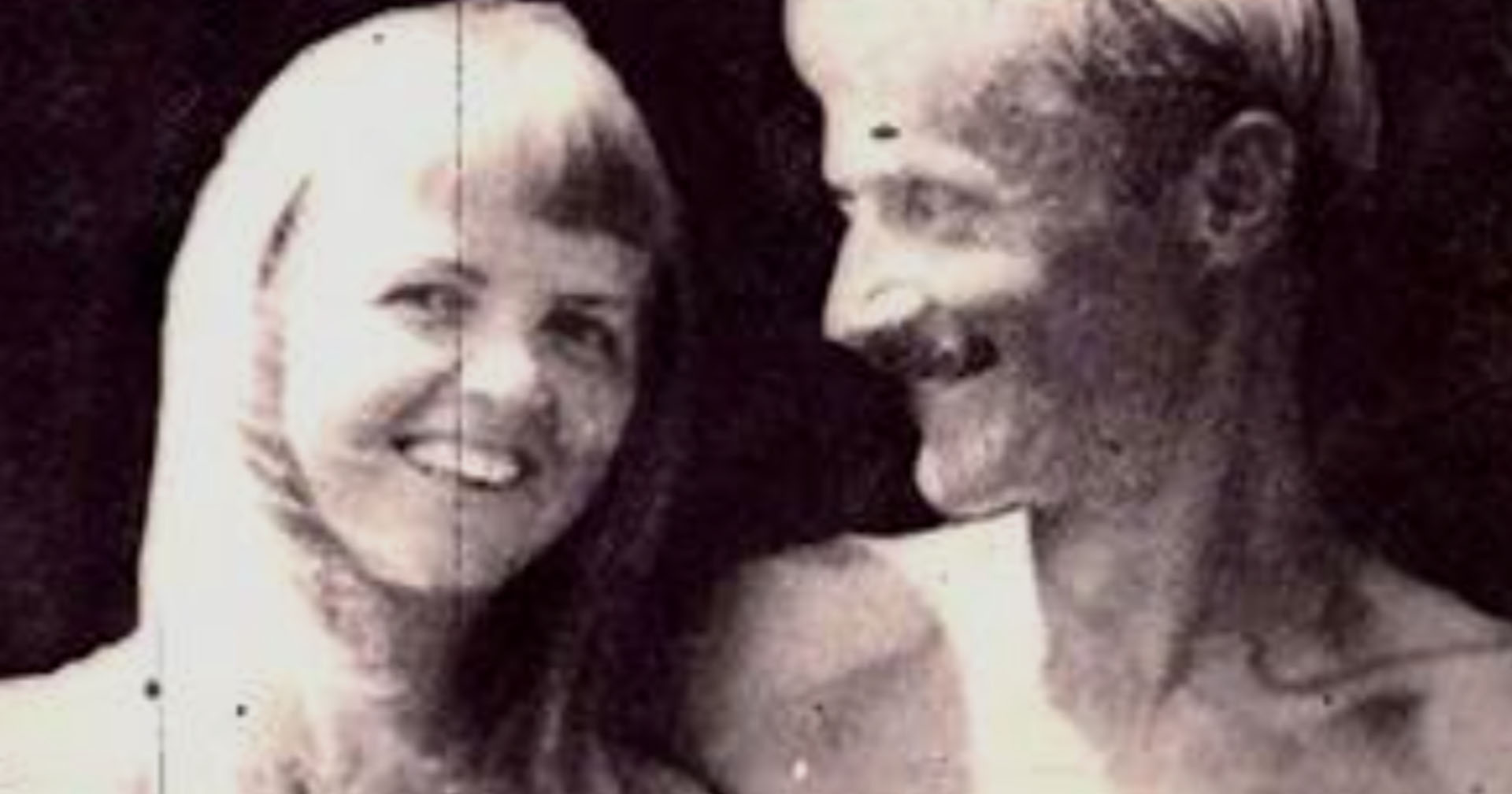
Founded in 1963 by Karen Mogensen and Nicolás Wessberg, Cabo Blanco was a radical idea for its time. In an era when Costa Rica still prioritized agricultural expansion and resource extraction, setting aside land strictly for conservation was controversial.
In its early years, Cabo Blanco faced political resistance, limited funding, and skepticism from both local communities and government institutions. Conservation was not yet a widely embraced national value, and strict environmental protection was often perceived as an obstacle to economic development.
Albert became closely involved in strengthening the conservation vision surrounding Cabo Blanco. He understood that the reserve’s importance extended far beyond its boundaries — it represented a new way of relating to Costa Rica’s natural heritage.
One of his most tangible contributions was his role in supporting the protection of 37 hectares of forest through collaboration with the World Wildlife Fund. This land reinforced Cabo Blanco’s buffer zones, reduced external pressures, and supported ecological continuity.
Equally significant, Albert recognized that even the most well-protected reserve cannot thrive in isolation. This understanding later became a cornerstone of the Corredor Biológico Peninsular
Gandoca–Manzanillo and the fight against megaprojects
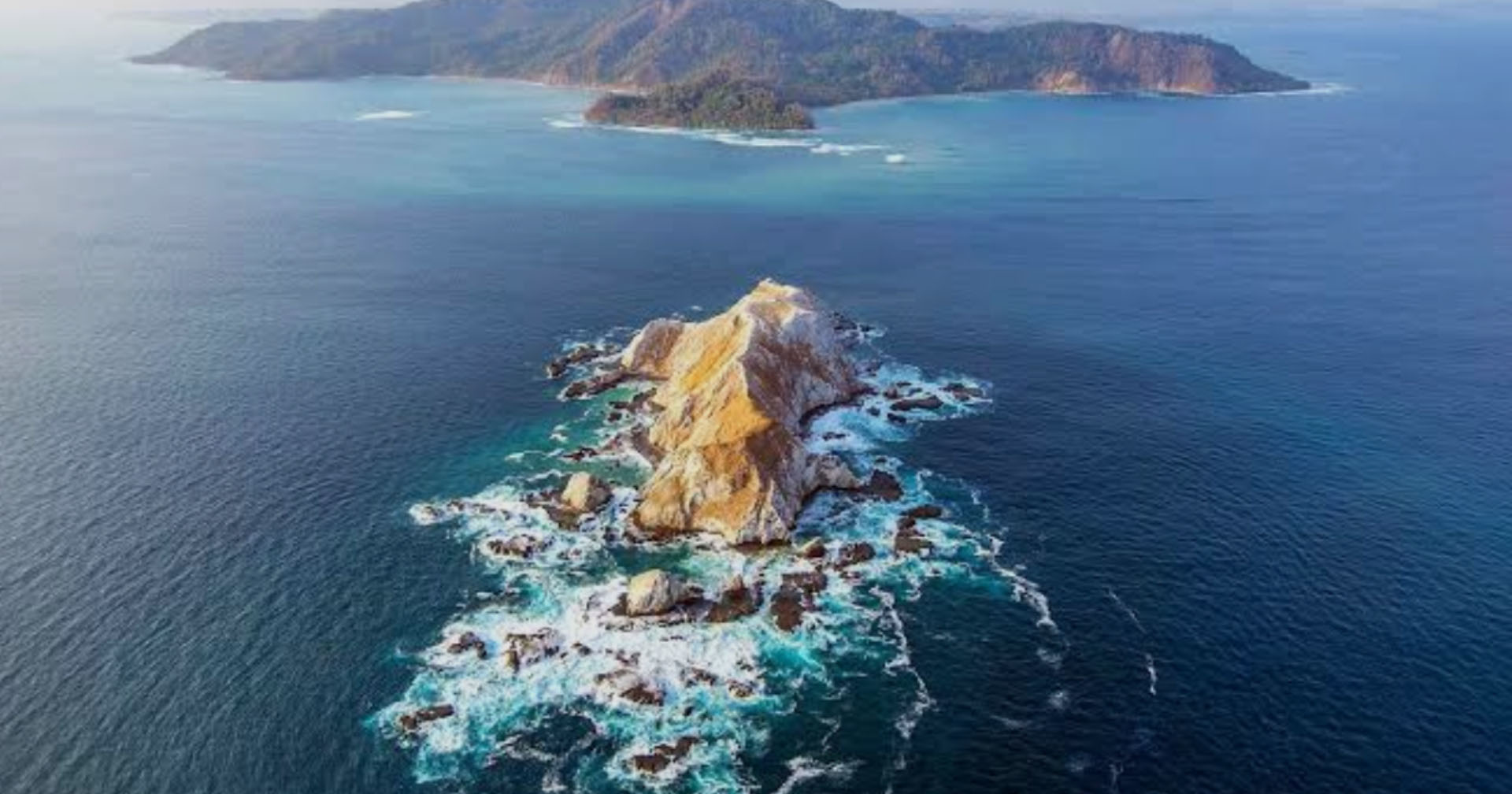
By the 1980s, Costa Rica’s coastlines were under increasing pressure from large-scale tourism development. Gandoca–Manzanillo became one of the most contested sites in the struggle between conservation and commercial interests.
Proposed megaprojects threatened to transform the area with massive resorts, marinas, and real estate developments that would have altered ecosystems, displaced local communities, and disrupted wildlife habitats.
Albert played a central role in supporting the environmental movement that opposed these projects. His involvement went beyond advocacy — he helped finance campaigns, supported scientific and legal arguments, and worked alongside local activists and communities to defend the region.
The conflict gained international attention when Costa Rica’s Ministry of Environment received the “Diablo Ecológico” award in Germany, highlighting contradictions in national development policies at the time.
Ultimately, the resistance succeeded. Instead of becoming another mass tourism destination, Gandoca–Manzanillo moved toward boutique hotels, eco-lodges, and community-based tourism. This shift continues to shape the region today and stands as one of the most significant victories of Costa Rican environmental activism — a movement Albert helped
sustain.
Romelia: conservation beyond national parks
If Cabo Blanco represents Costa Rica’s first formal conservation milestone, the Refugio Nacional de Vida Silvestre Romelia represents something quieter but equally transformative: private land stewardship in service of the environment.
Located near Montezuma on Costa Rica’s southern Nicoya Peninsula, Refugio Nacional de Vida Silvestre Mixto Romelia encompasses both public and privately owned protected land, including approximately 67 hectares of state-owned territory and the ecologically important beaches of Cocal and Cocalito. As part of the Peninsular Biological Corridor, Albert recognized Romelia not as an isolated property, but as a vital ecological connection between protected areas, including Cabo Blanco, Nicolás Wessberg, and Curú.
The lands that make up Romelia today tell an important story of ecological restoration. Before 1998, much of the area consisted of cattle pastures, which Albert began transforming through reforestation with native and threatened tree species, including cocobolo, ron ron, guachipelín, and almendro de montaña. Over time, these efforts helped restore forest habitats and strengthen the ecological corridors that now support the region’s biodiversity, freshwater sources, and coastal ecosystems.
Among the wildlife that depends on Romelia are:
- Mammals: White-faced capuchin and howler monkeys, coatis, pumas, jaguarundis, ocelots, deer, pacas, coyotes, tayras, and a wide variety of bats.
- Birds: Scarlet macaws, toucans, bellbirds (pájaro campana), and numerous other native bird species.
- Reptiles and amphibians: A diverse range of reptiles and amphibians inhabiting the forest and freshwater ecosystems.
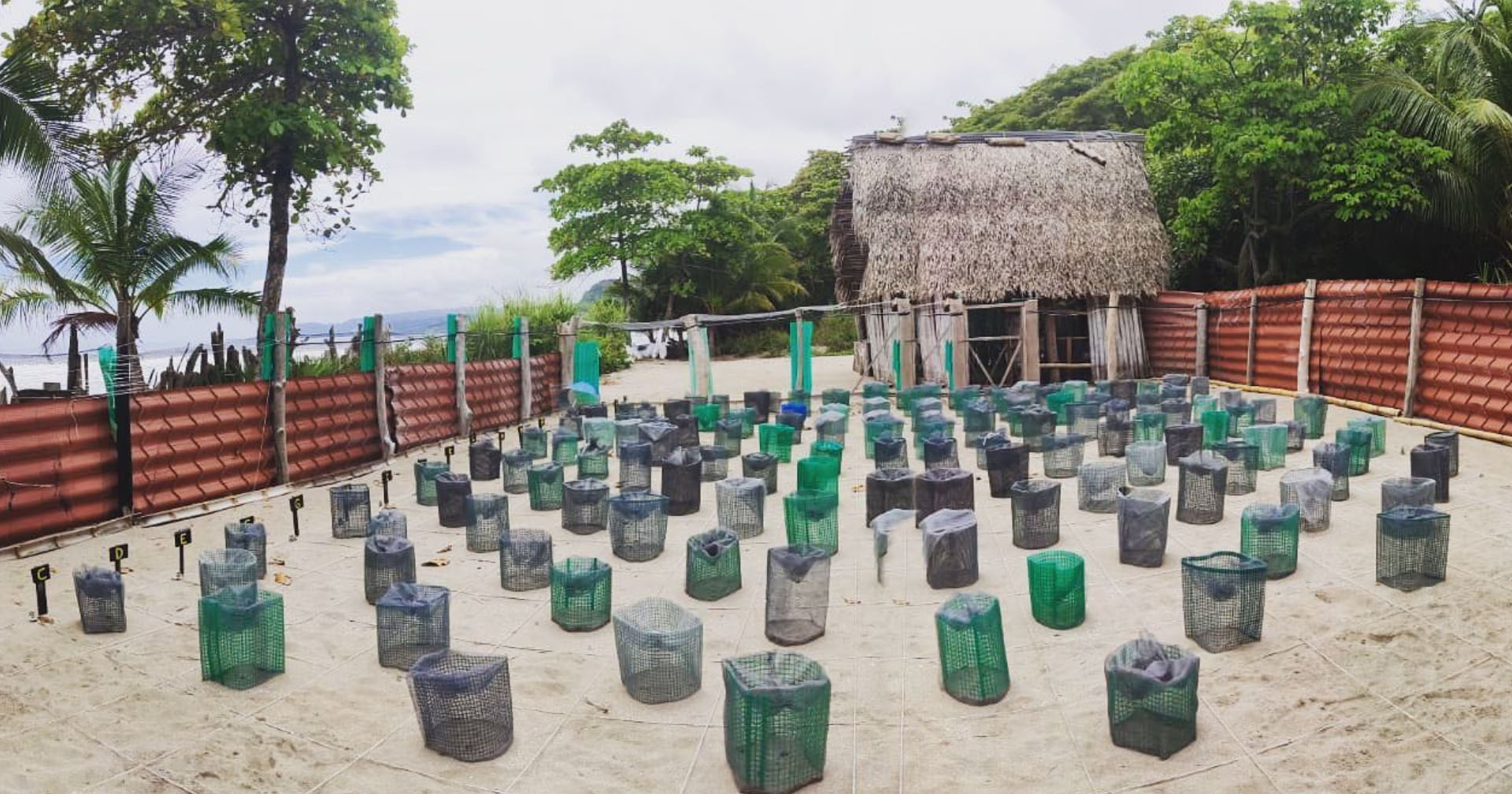
- Marine wildlife: Sea turtles that nest along the refuge’s protected beaches.
Beyond habitat protection, Romelia is involved in sea turtle conservation, biodiversity monitoring, and environmental education initiatives that engage local communities and visitors. In this sense, it functions not only as a protected space, but as a living site of conservation, learning, and stewardship
The Corredor Biológico Peninsular: connecting landscapes
Albert’s efforts in Cabo Blanco, Romelia, and other protected areas aligned naturally with the creation of the
Corredor Biológico Peninsular, officially established in 1998.
The corridor was designed to reconnect fragmented habitats across the Nicoya Peninsula, ensuring that wildlife populations could move freely rather than becoming isolated and genetically vulnerable.
Today, the corridor links Cabo Blanco, Curú Wildlife Refuge, Romelia, the Karen Mogensen Reserve, Matambú, and numerous public and private conservation areas, helping restore ecological balance across the peninsula — a vision Albert supported from the beginning.
Water as the foundation of life
One of Albert’s most defining principles was his unwavering prioritization of water. He often told his employees that water is more valuable than gasoline, a statement that reflected both environmental concern and deep ecological understanding.
For him, forest protection was inseparable from water protection. Healthy forests regulate rainfall, prevent erosion, and sustain river systems that support local communities, agriculture, and wildlife.
This belief guided his land-use decisions, his opposition to unsustainable development, and his support for watershed conservation — a perspective that remains deeply relevant today.
Science, agriculture, and thoughtful innovation
Albert did not reject progress. Instead, he believed in responsible, science-based innovation that respected ecological limits.
He collaborated with researchers at the University of Costa Rica to explore the development of tropical-adapted grape hybrids, integrating European agricultural knowledge with Costa Rican ecosystems in a thoughtful and sustainable way.
His approach demonstrated that economic activity and environmental protection can coexist when guided by care and scientific understanding.
Navigating development, tourism, and expropriation
Albert’s conservation work was not only idealistic — it was also strategic. Aware of Costa Rican laws that allowed land to be expropriated if deemed of touristic interest and left unused, he made deliberate decisions to protect his property.
One such decision was the construction of a hotel, not as a commercial priority, but as a legal safeguard — allowing him to maintain control over the land and prevent fragmentation or overdevelopment.
That hotel would later evolve into what is today Hotel nYa, located in Montezuma and deeply connected to the conservation story of the region.
Hotel nYa: a legacy carried forward
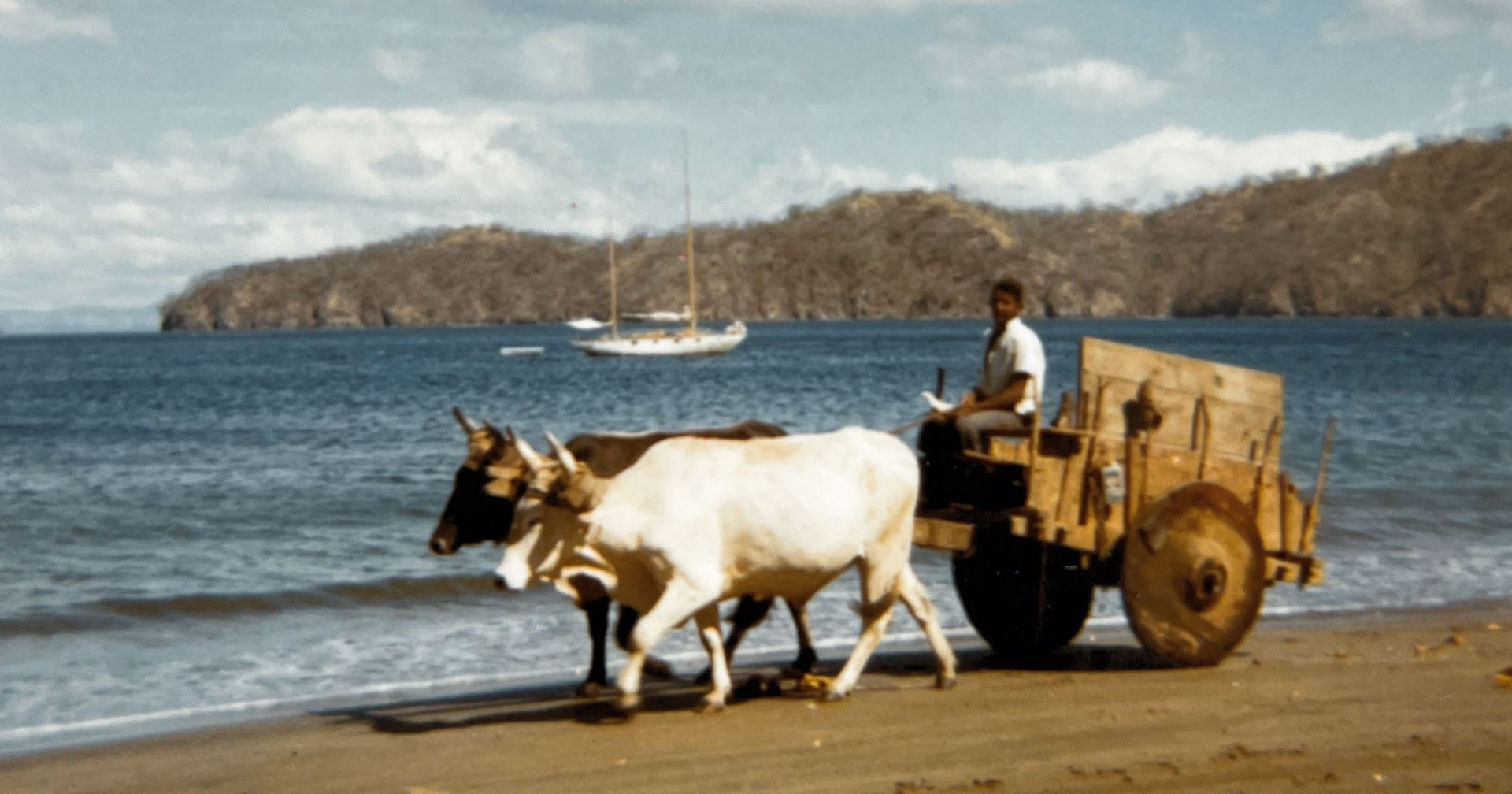
Today, that original property lives on as Hotel nYa, a boutique hotel in Montezuma, owned and operated by Albert’s daughter, Nefertiti.
Through her leadership, nYa continues to safeguard her father’s legacy — not only by preserving the land, but by actively supporting conservation, community engagement, and a respectful relationship with the surrounding ecosystems.
Experiences such as visits to Cabo Blanco, explorations of Montezuma, and connections to Romelia are not offered as add-ons, but as integral parts of understanding the place —reflecting a philosophy that tourism and conservation must coexist with care and intention.
In this way, nYa is not simply a hotel. It is a continuation of Albert’s vision, adapted to the present, and guided by the same values that shaped his life’s work.
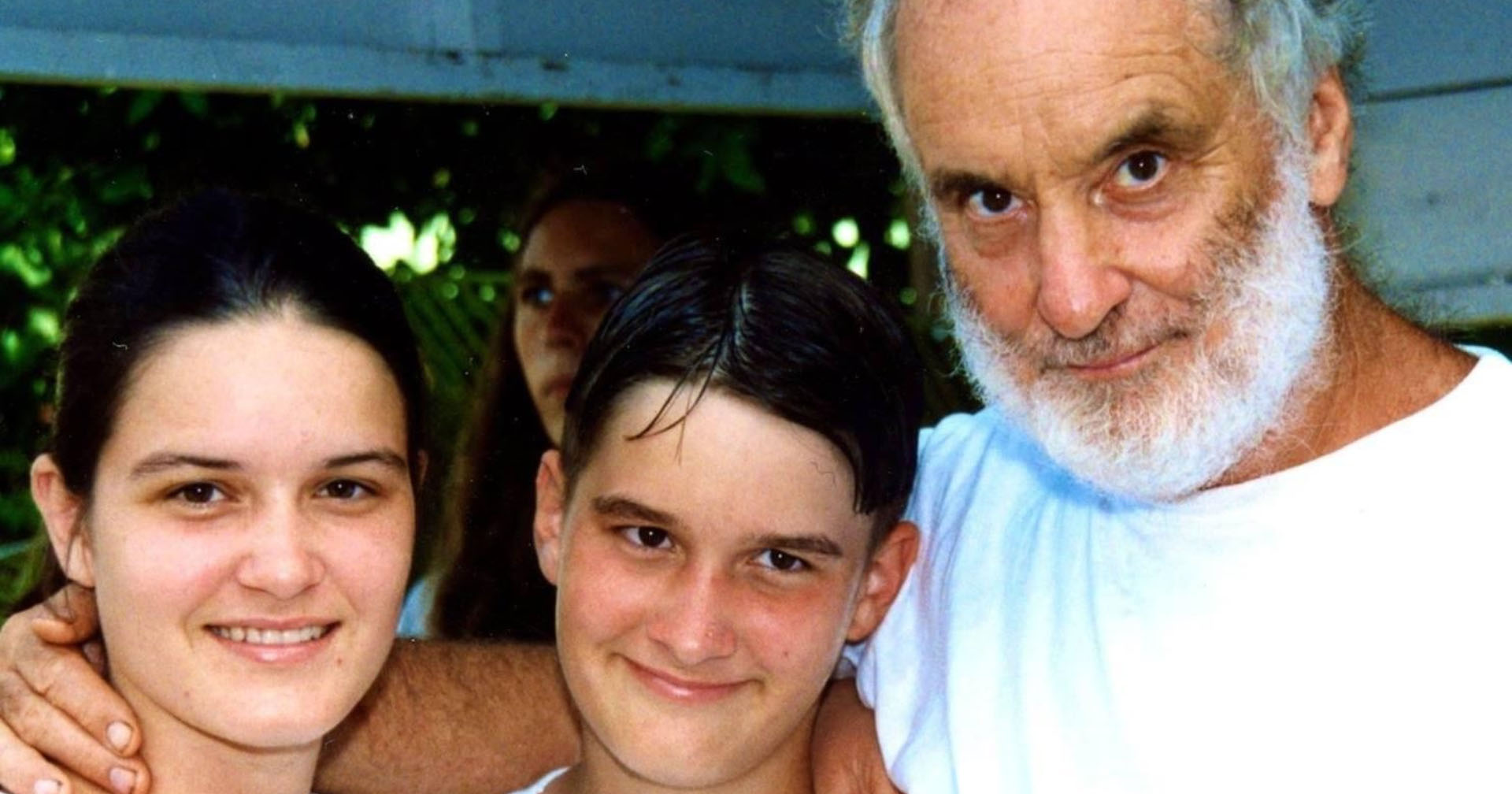
Why Albert Ingalls’s legacy endures
Albert S. Ingalls III’s impact continues to shape the Nicoya Peninsula today.
His legacy is evident in:
- The strength of the Corredor Biológico Peninsular
- The continued protection of Cabo Blanco, Romelia, and Curú
- The preference for eco-conscious tourism over mass development in much of Nicoya
- A growing cultural respect for water, forests, and biodiversity
His life reminds us that conservation is not only about policies and institutions, but about values, persistence, and the courage to stand firm.
A living legacy
Albert S. Ingalls III was a strategist, land steward, and guardian of Costa Rica’s natural heritage.
Inspired by Karen Mogensen’s pioneering vision, guided by his own deep respect for land and water, and committed to long-term sustainability, his legacy lives on through regenerated forests, protected rivers, connected wildlife corridors — and through the continued stewardship of those who carry his work forward.
His story is a reminder that protecting nature is ultimately about protecting the future
nYa Hotel — Montezuma, Costa Rica
reservations@nyahotel.cr | +506 8609 3999 | www.nyahotel.cr
More Posts
Why Hotel Nya in Montezuma Is One of Costa Rica’s Hidden Beach Gems
Costa Rica is known for its beautiful coastlines, lush rainforests and diverse wildlife, but some of its most memorable destinations remain less...

How to Choose the Perfect Boutique Hotel in Montezuma for Your Vacation
Planning a vacation in Montezuma is about more than choosing a destination. Finding the right accommodation can shape your entire travel experience,...
Free Things to Do in Montezuma: Some of theBest Experiences Cost Nothing
Costa Rica offers no shortage of incredible experiences worth planning for: boat trips, surf lessons, wildlife tours, fishing excursions, wellness...
