
Whale Season in Montezuma: One of CostaRica’s Most Extraordinary Natural Experiences
Every year, thousands of humpback whales travel incredible distances across the Pacific Ocean to reach the warm waters of Costa Rica.
For many travelers, seeing a whale breach the surface is already a once-in-a-lifetime experience. But what makes whale season in Costa Rica truly remarkable isn’t simply the sightings—it’s understanding why these animals come here in the first place.
The Pacific waters surrounding the Nicoya Peninsula become a nursery where mothers give birth, care for their calves, and prepare them for one of the longest migrations in the animal kingdom.
If you’re visiting Montezuma during whale season, you have the opportunity to witness one of nature’s most extraordinary journeys.
Why do whales come to Costa Rica?
Unlike many marine species that migrate in search of food, humpback whales travel to Costa Rica for a very different reason.
They come to reproduce.
Every year, humpback whales leave the colder waters of both the Northern and Southern Hemispheres and migrate thousands of kilometers to Costa Rica’s warm Pacific coast.
These calmer tropical waters provide the ideal environment for mothers to give birth and care for their newborn calves during the first weeks of life.
Without the challenges of cold temperatures and predators found farther south or north, calves can grow stronger before beginning the long journey back toward feeding grounds.
It’s one of the reasons Costa Rica has become one of the few places in the world where whale watching is possible during much of the year.
To learn more about Costa Rica’s marine ecosystems, visit the official tourism website at Visit Costa Rica.
Two migrations, one incredible destination
One of the most unique aspects of Costa Rica’s whale season is that it actually receives visitors from two different hemispheres.
The Northern Hemisphere population generally arrives between December and April, while whales from the Southern Hemisphere typically migrate between July and October.
The Southern Hemisphere migration is often considered the most spectacular, with larger numbers of whales arriving along Costa Rica’s Pacific coastline.
For travelers visiting Montezuma between July and October, this creates one of the best opportunities of the year to observe humpback whales in their natural environment.
Mothers and calves: the most extraordinary part of the season
While breaching whales often steal the spotlight, the true magic of whale season lies in something much quieter. Many of the whales you’ll encounter are mothers traveling with newborn calves.
During these first weeks of life, calves remain close to their mothers, learning how to breathe efficiently, build strength, communicate, and prepare for one of the longest migrations of any mammal on Earth. Sometimes you’ll witness playful breaches, tail slaps, or curious young whales surfacing beside their mothers.
Other times, the experience is surprisingly peaceful—a slow rise to the surface, a deep breath, and a graceful dive back into the Pacific. These moments are impossible to predict, which is exactly what makes each encounter feel so special,
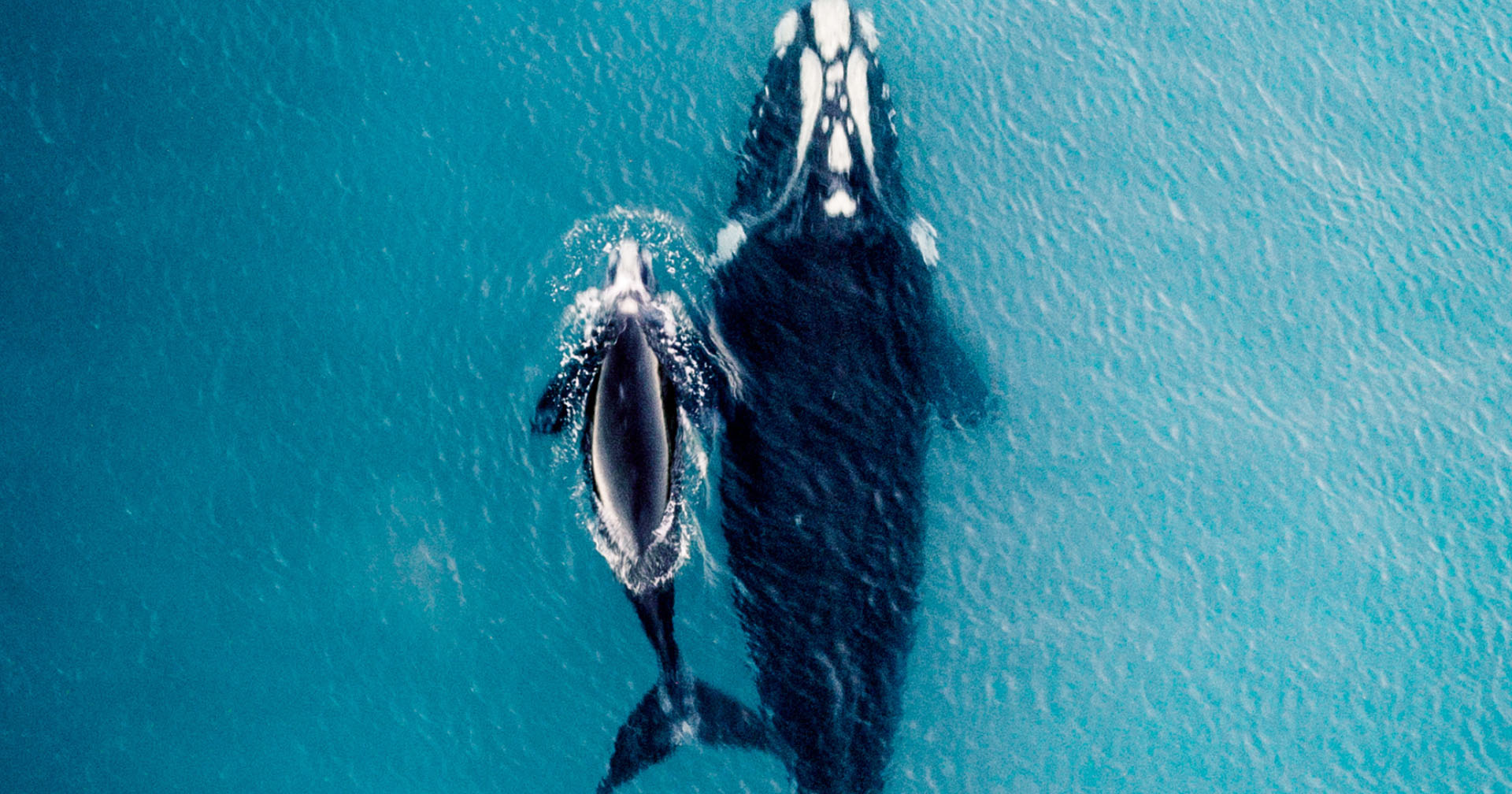
Whale watching from Montezuma
Montezuma’s location along the Nicoya Peninsula provides easy access to whale watching excursions during the migration season. Tours are typically led by experienced local captains who understand both whale behavior and responsible wildlife observation practices.
Because sightings depend on natural conditions, every tour is different. Some days bring spectacular breaches. Others offer quieter encounters where simply observing a mother and calf traveling together becomes the highlight.
Either way, the experience is about witnessing wildlife on its own terms.
More than whales
One of the advantages of exploring the Pacific during whale season is that whales are rarely the only marine life you’ll encounter.
- Depending on conditions, it’s also possible to see:
- Dolphins swimming alongside the boat
- Sea turtles surfacing for air
- Flying fish
- Frigatebirds, pelicans, and other seabirds
- Seasonal marine life unique to Costa Rica’s Pacific coast
The journey becomes an opportunity to appreciate the richness of the entire marine ecosystem.
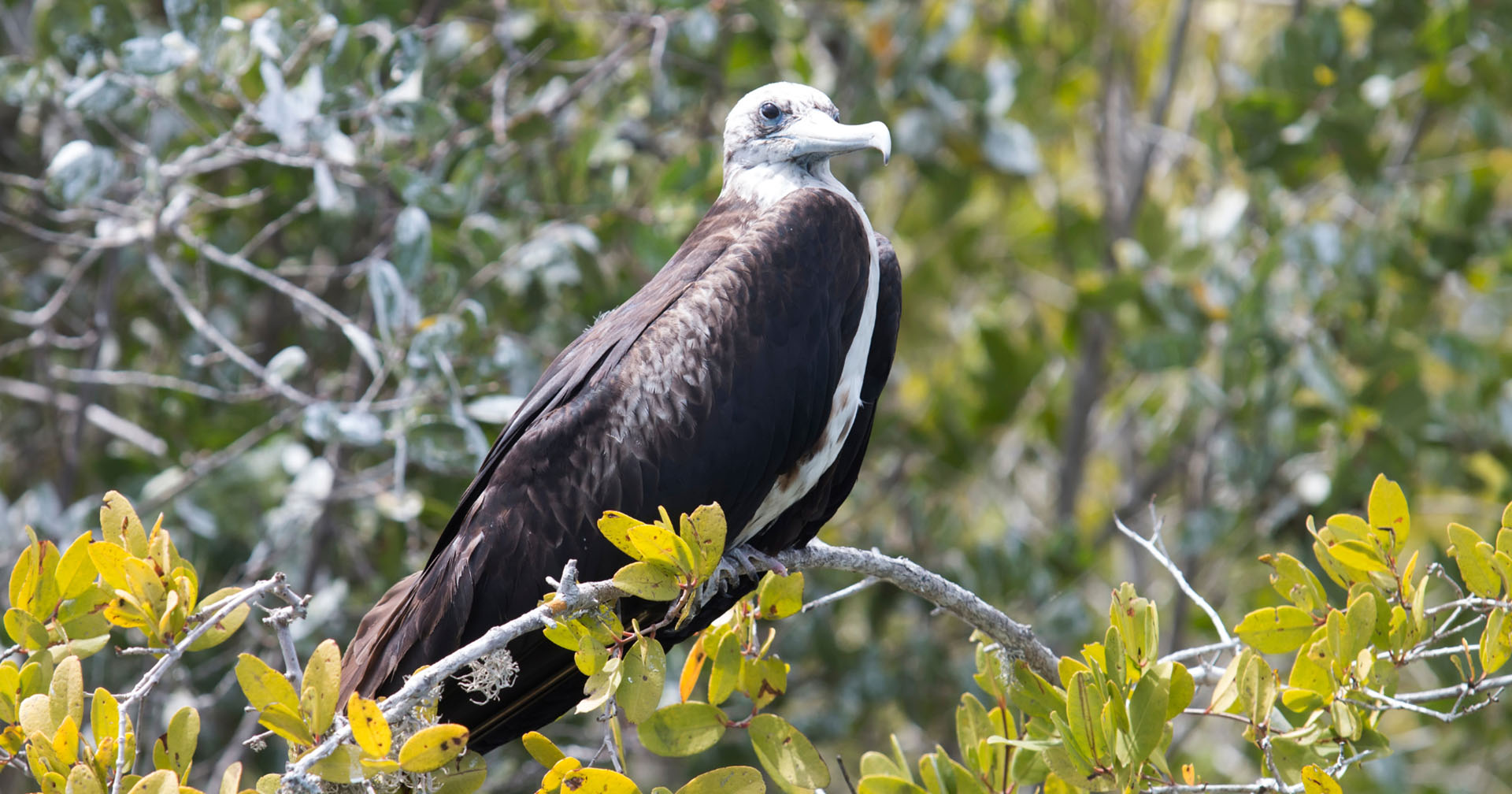
A destination where nature leads the itinerary
Whale season is only one chapter of Montezuma’s wildlife calendar.
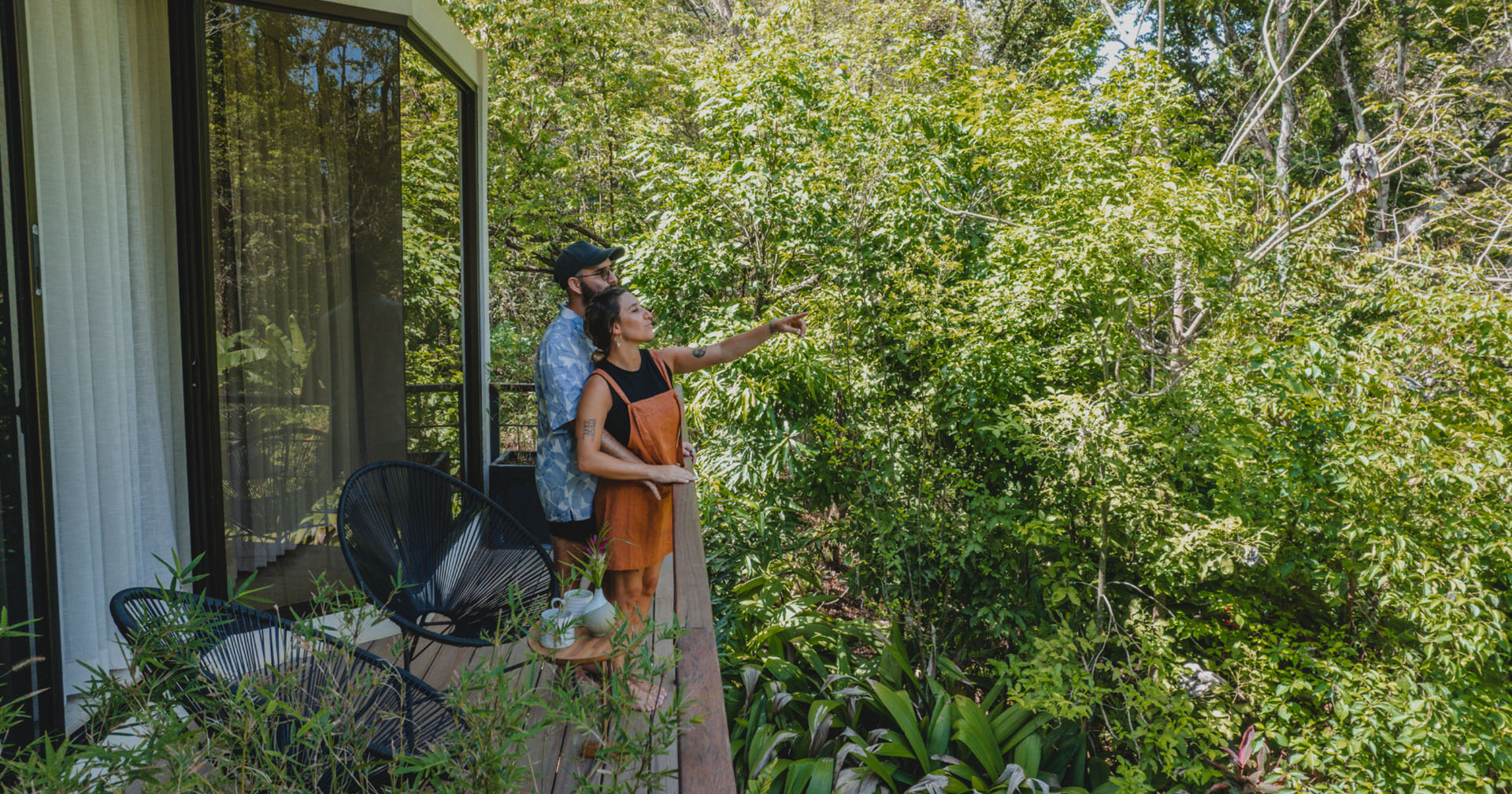
During these same months, the surrounding forests become greener, waterfalls gain strength, and wildlife activity increases throughout the region. Monkeys carrying babies move through the trees, birds become more active, and sea turtle season begins on nearby beaches.
You can learn more in our blog, When Nature Gets Louder: Wildlife Season in Montezuma, where we explore everything happening during Costa Rica’s greener months.
If you’re looking to balance wildlife experiences with waterfalls, surfing, Blue Zone tours, and wellness, our guide What to Do in Montezuma: 10 Experiences That Define the Place additional inspiration for planning your stay.
Responsible whale watching
One of the reasons whale watching remains such a meaningful experience in Costa Rica is the country’s commitment to conservation.
Responsible tour operators follow established guidelines designed to minimize disturbance to marine wildlife.
As a visitor, you can also contribute by:
- Choosing licensed operators
- Respecting minimum observation distances
- Avoiding loud noises during encounters
- Following the captain’s instructions at all times
The goal isn’t simply to see whales—it’s to ensure these incredible migrations continue for generations to come.
Additional information about Costa Rica’s protected marine areas can be found through SINAC – National System of Conservation Areas.
Experiencing whale season from Hotel nYa
One of the advantages of staying at Hotel nYa during whale season is the flexibility it gives your itinerary.
Spend the morning on the ocean watching humpback whales, return to Montezuma for lunch at Restaurante Agrá, relax by the pool during the afternoon, or book a yoga class or massage before ending the day with dinner surrounded by nature.
Rather than feeling rushed between activities, the slower rhythm of Montezuma allows these experiences to unfold naturally.
It’s this balance between adventure and rest that makes whale season especially memorable.
Frequently Asked Questions
1. When is the best time to see whales in Montezuma?
The primary whale watching season along this part of Costa Rica’s Pacific coast runs from July through October, when humpback whales from the Southern Hemisphere arrive with their calves. A second migration occurs between December and April.
2. Are whale sightings guaranteed?
Wildlife is always unpredictable. While sightings are common during the migration season, no responsible operator can guarantee an encounter.
3. Can children join whale watching tours?
Yes. Most tours are family-friendly, although it’s always best to confirm minimum age recommendations with the tour operator.
4. How long are whale watching tours?
Most excursions last between three and five hours, depending on weather conditions and wildlife activity.
5. What should I bring?
Light clothing, reef-safe sunscreen, sunglasses, a hat, a reusable water bottle, and a camera or binoculars are all recommended.
A journey worth witnessing
Every year, thousands of humpback whales choose Costa Rica’s Pacific coast to begin the next chapter of their lives.
For a few months, the waters surrounding Montezuma become more than a beautiful coastline—they become a place where new life begins, where ancient migration routes continue, and where travelers have the privilege of witnessing one of nature’s greatest spectacles.
If you’re planning your visit during whale season, our team at Hotel nYa would be happy to help you organize your stay, recommend trusted local tours, and help you experience one of Costa Rica’s most unforgettable natural events
nYa Hotel — Montezuma, Costa Rica
reservations@nyahotel.cr | +506 8609 3999 | www.nyahotel.cr
More Posts
Why Choose a Boutique Hotel with Swimming Pool in Montezuma
Montezuma is one of Costa Rica’s most distinctive coastal destinations, known for its lush landscapes, wildlife, waterfalls, and relaxed atmosphere....
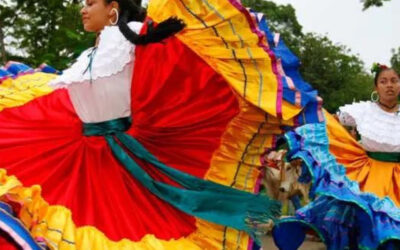
July in Montezuma: Discovering the Heart ofCosta Rica’s Nicoya Peninsula
Many travelers come to Montezuma for its waterfalls, beaches, and abundant wildlife. They arrive looking for adventure, time in nature, or simply a...

Why Retreat Leaders Keep ChoosingMontezuma
Not every destination is designed for retreats. Some places are exciting. Others are convenient. Some offer luxury, while others focus on adventure....
